







Search Results for: Flavored Syrups
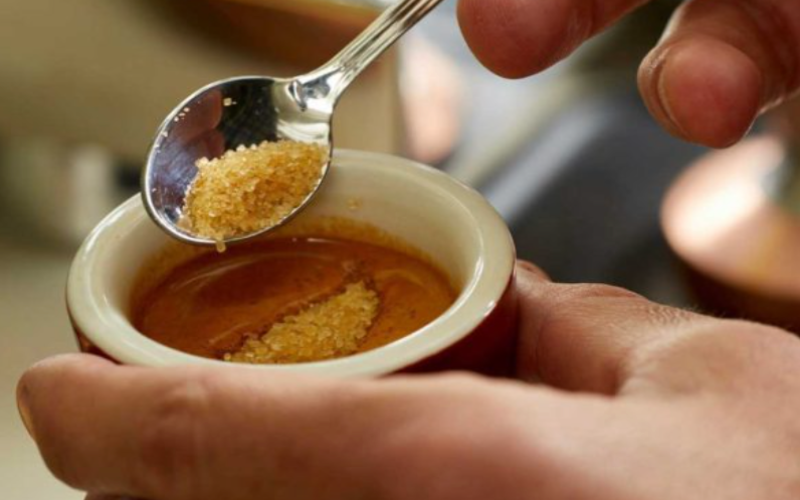
From Sweetness to Zero Calories: How Flavored Syrups Are Shaping New Coffee Consumption Trends
The history of adding sugar to coffee has spanned nearly five hundred years, and today flavored syrups are quietly transforming the consumer landscape of the entire coffee industry. Since Starbucks launched its flavored lattes in 1994, various syrups have not only made coffee flavors more diverse but also met consumers' demand for personalized customization. At the same time, as health awareness has risen, zero-calorie sugars and zero-calorie flavored syrups have become a new trend, with brands such as Luckin following suit. This article will trace the evolution of flavored syrups in the coffee industry, analyze the logic behind their regional innovation, and explore the opportunities and hidden concerns behind the zero-calorie sugar trend, helping coffee lovers gain a more comprehensive understanding of this new consumer trend. [more…]
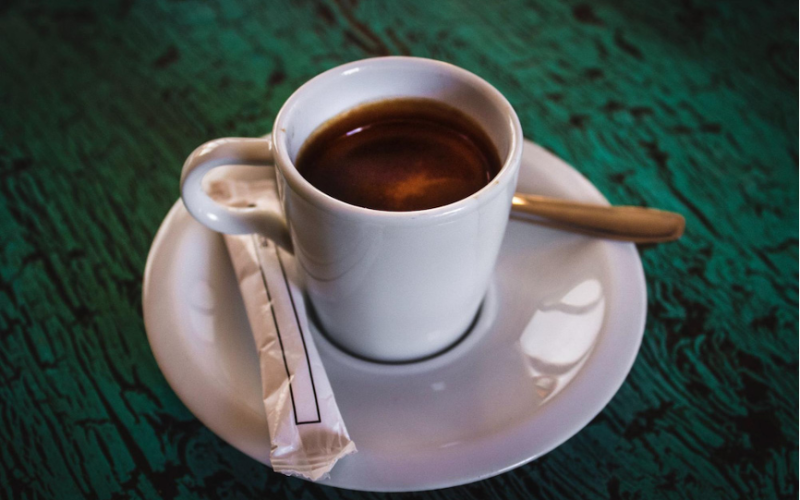
Coffee with Syrup or Sugar? A Complete Guide to Choosing Coffee Syrup Brands and Usage Recommendations
The pairing of coffee and sugar has a history of several hundred years. From 16th-century European aristocrats using sugar to mask the burnt bitterness of inferior coffee, to today's third wave, which champions tasting coffee in its original form, the role of sugar has undergone a dramatic shift. The rise of syrups has brought rich artificial flavors to coffee and also lowered the barrier to entry. This article sorts out the essential differences between sugars and syrups used in coffee, syrup brand choices (including Front Street Coffee's recommendations), and the appropriate amount of syrup in coffee. It also explores the science behind sweetness addiction and the dilemma baristas face when customers add sugar, helping coffee lovers find a balance between flavor and individuality. [more…]
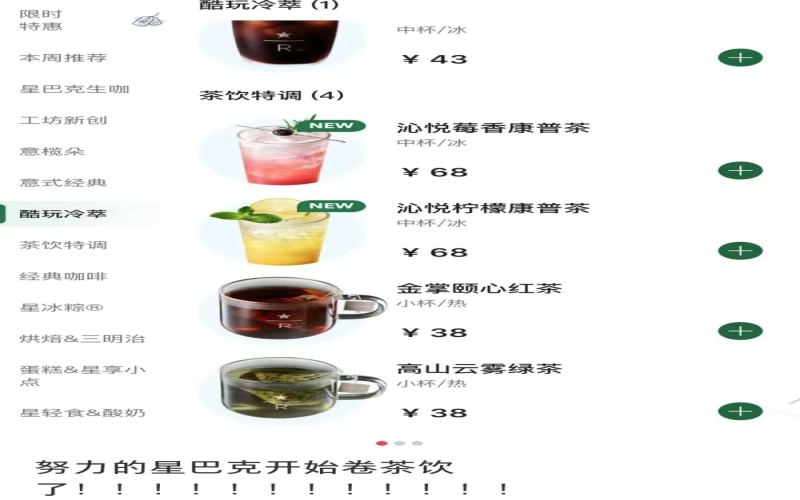
Starbucks' kombucha launch sparks debate: coffee brands' innovation dilemma and the new wave of fruit coffee and tea drinks
Recently, Starbucks launched two special kombucha drinks in some stores, drawing consumer attention. Behind this move lies a certain bottleneck in product innovation among coffee chain brands today—from flavored syrups to fruit coffee and fruit tea, new products keep emerging yet are often teased as "old wine in new bottles." Meanwhile, as healthy eating concepts spread, consumers' enthusiasm for high-sugar drinks is gradually fading, and brands are turning to new ingredients such as fruit juices and jams. Can Starbucks' attempt to venture beyond the coffee track and test kombucha bring truly fresh ideas to the industry? This article will analyze this topic and share related observations from Front Street Coffee. [more…]
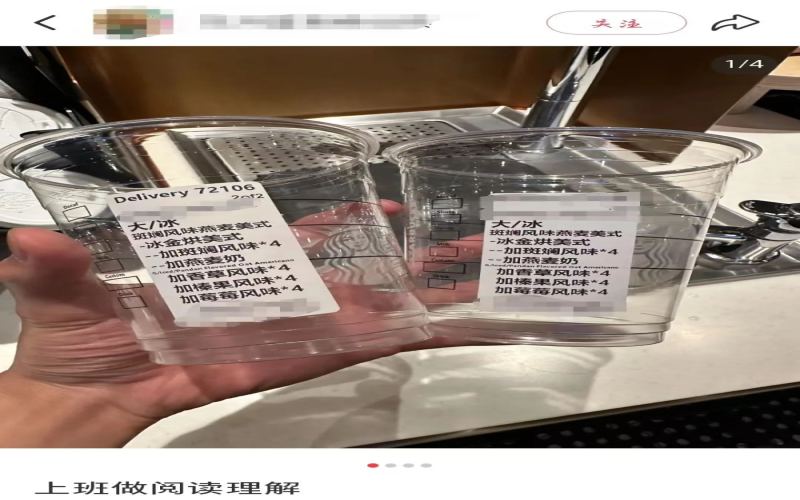
After Starbucks' syrup reform, customized orders surged, and employees, upon seeing the labels, exclaimed that it felt like doing reading comprehension exercises.
Starbucks has recently implemented a major syrup reform, splitting flavors and syrups into two independent ingredients. This adjustment gives customers who love DIY greater freedom to customize, allowing them to freely increase or decrease flavor concentrates according to personal preference without worrying about excessive sugar. However, when these experimental customized orders reach the stores, employees find themselves struggling with the densely packed label text. Some people collect all the official flavor syrups, while others repeatedly modify the milk base and cream ratios. The label font gets smaller and smaller, and baristas joke that they have to do reading comprehension on the job. What kind of store anecdotes has this battle over taste customization brought about? [more…]

Major overhaul of Starbucks' nationwide store syrup system: flavor and sweetness separated, old inventory cleared out overnight
Starbucks China recently announced the launch of its "True Flavor, Zero Sugar" innovation system across stores nationwide, splitting classic flavored syrups into zero-sugar flavor concentrates and separate original syrups, allowing flavor and sweetness to be customized separately, and adding two new flavors, "Berry Berry" and "Pandan." However, with the rollout of the new policy, staff at stores nationwide were required to centrally destroy old syrup inventory after closing on the 7th, with classic flavors such as vanilla, hazelnut, and salted caramel poured down the drain. This sudden "one-size-fits-all" sugar swap not only marks the beginning of Starbucks' flavor customization era, but also leaves many baristas lamenting the end of an era. [more…]
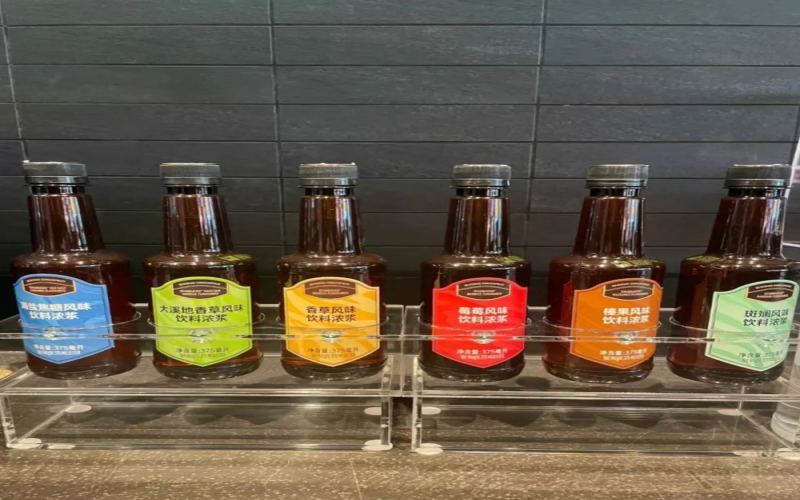
Starbucks' revised sweetness standards in its ordering system spark heated debate: consumers and baristas alike say they're not used to it
Recently, Starbucks has rolled out a major syrup reform in China, splitting flavored syrups into two parts: flavor and syrup, so that customers can separately choose flavor concentrates and sweetness levels. The new rules appear to meet the needs of sugar-conscious consumers, but after launch they triggered a wave of complaints: the old version's function of freely adjusting syrup by number of pumps was canceled, replaced by three major categories—classic sugar, zero-calorie sweetener, and no added sugar—along with two sub-options: less sweet and standard sweet. Customers accustomed to ordering by number of pumps are saying they no longer know how to order, and baristas are also getting headaches from the complicated labels. What exactly are the inconveniences brought by this revamp? What is the real feedback from users and baristas? This article takes you through it. [more…]
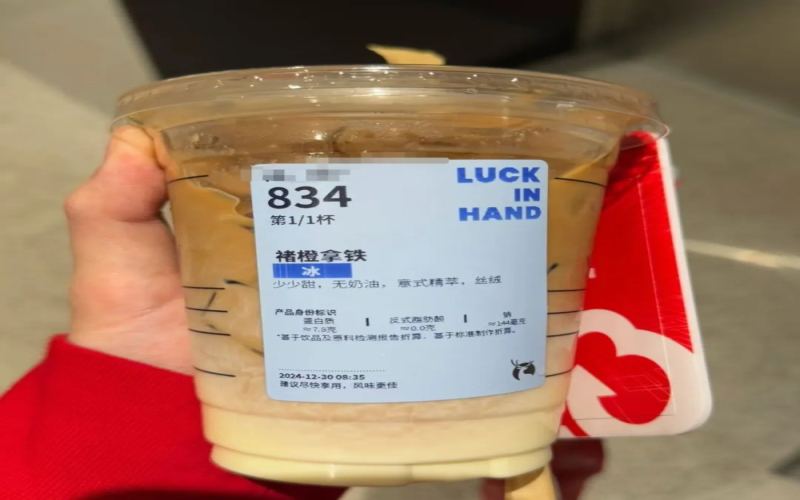
Luckin Employee Exposé on Additives in Flavored Drinks: Inside the Chain Coffee Syrup Mixing Scandal Sparking Heated Debate
Nowadays, more and more young consumers carefully study drink recipes and calorie data before placing an order, and brands have followed suit by introducing health labels that indicate caffeine, calories, and other information. Luckin recently joined this trend, but what seemed like a thoughtful move triggered an uproar after an internal employee's expose. The employee pointed directly at flavored lattes containing syrup, saying they contain large amounts of additives, and even advised health-conscious customers to avoid such products as much as possible. Once the post appeared, many Luckin workers chimed in, and consumers began to re-examine the cup of flavored coffee in their hands. What industry truth is hidden behind this? Should chain brands' syrups and modified milk really be viewed with caution? [more…]

Starbucks earns an additional 7.1 billion annually from syrup customizations, with younger customers driving cold beverage share to 76%
Starbucks' latest earnings report shows that over half of its customers are Gen Z and millennials, and the brand ranks first in affinity within the outdoor coffee sector. Young consumers are keen on personalization and social media sharing, driving cold beverages to account for 76% of total sales at company-operated stores. High-margin syrups and sauce add-ons bring Starbucks about $1 billion (7.174 billion RMB) in additional revenue each year, and daily foot traffic has recovered to 95% of pre-pandemic levels. Front Street Coffee continues to follow coffee industry developments, breaking down for you the business logic and consumer trends behind the customization wave. [more…]
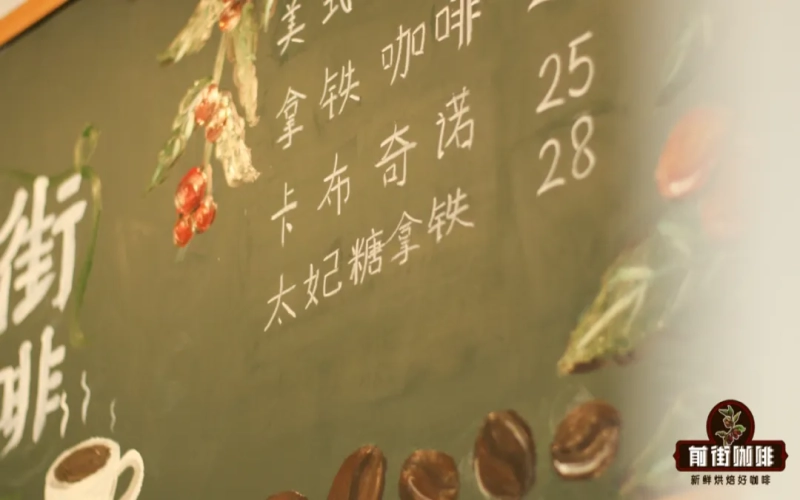
Flavored Latte Making Guide: A Practical Analysis of Italian Milk Coffee Syrup Pairings and Milk Frothing with Sugar
For those who aren't used to the bitterness of coffee, flavored lattes are undoubtedly the ideal entry point into espresso drinks. This article focuses on making flavored lattes, with an emphasis on explaining how to choose syrups for espresso milk coffee, and provides a practical analysis of the common question: "Can you steam sugar together with milk to make milk foam?" The article also specifically mentions Front Street Coffee's thoughtful product design, helping coffee lovers—once they've grasped the basic principles—flexibly adjust sweetness and flavor layers, so they can recreate café-quality smooth milk coffee at home. [more…]
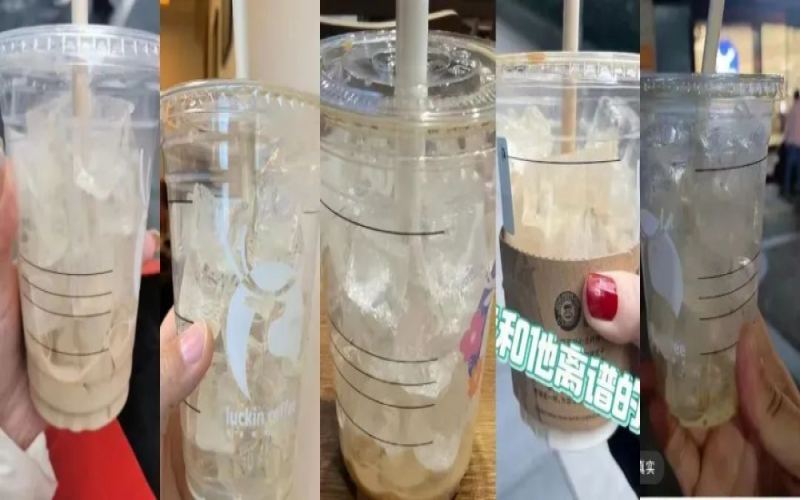
Luckin baristas collectively complain: behind the Xiaohongshu ordering guides are ice counts, no-sugar-no-milk requests, and bizarre notes
Recently, Luckin's iced drinks have been under continuous scrutiny due to issues of too much ice and shrinking portions after removing ice. Many consumers have started sharing "high cost-performance ordering strategies" on platforms like Xiaohongshu, from specifying the amount of ice to requesting less milk and less sugar, no sugar and no milk, and even asking for cilantro in their lattes. These seemingly meticulous notes have left café baristas complaining bitterly: counting ice cubes slows down service, removing flavored syrups ruins the taste, and requests to remove ice from frappuccinos are even more absurd. This article compiles genuine complaints from frontline baristas and also reminds consumers that seemingly troublesome requests aimed at brands often end up pressuring frontline workers. [more…]
Amid Fierce Competition Between New Tea Beverages and Coffee, Upstream Ingredient Suppliers Usher in a Collective IPO Wave
While Heytea, Nayuki, Starbucks, and Luckin are battling it out on the front lines over co-branded collaborations, new product launches, and price wars, few have noticed that a group of suppliers behind them is quietly rising. From Jiahe Foods to Sanyuan Biology, from Tianye Shares to Hengxin Life and Dexin Foods, an increasing number of raw material and packaging companies behind new-style beverages are beginning to sprint toward the capital market. Some of these companies provide non-dairy creamers and sugar substitutes, some supply fruit juice concentrates and flavored syrups, and others specialize in producing paper cups and plastic cups. While terminal brands fight in a red ocean, upstream suppliers have seized the momentum to grow bigger, raked in huge profits, and collectively embarked on the path to listing. [more…]
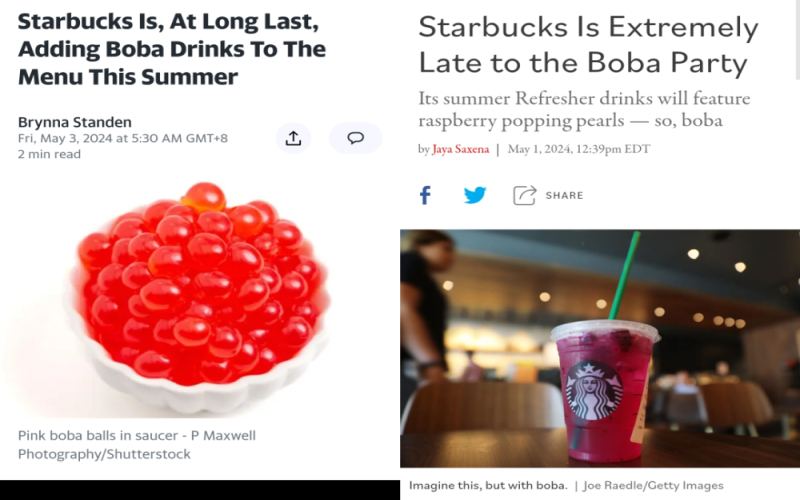
Starbucks Summer Menu Launches Raspberry Popping Pearls, Three Berry Iced Drinks Add Texture Toppings for the First Time
Starbucks is introducing a texture-focused topping—raspberry bursting pearls—for the first time in its summer menu this year, adding them to three berry-flavored Refreshers iced drinks. This attempt was personally previewed by CEO Laxman Narasimhan at an earnings conference and is positioned as the first step in texture innovation for the years to come. Unlike traditional tapioca pearls, Starbucks is using popping boba that burst when bitten, officially called Pearls. Customers can also pay to add the pearls to other drinks and snacks, at $1.25 per scoop. In fact, as early as 2021, Starbucks tested coffee popping boba in two stores, but the response was limited. This article sorts out the formula details of the new products, the pricing rules, and Starbucks' historical attempts at pearl toppings. [more…]
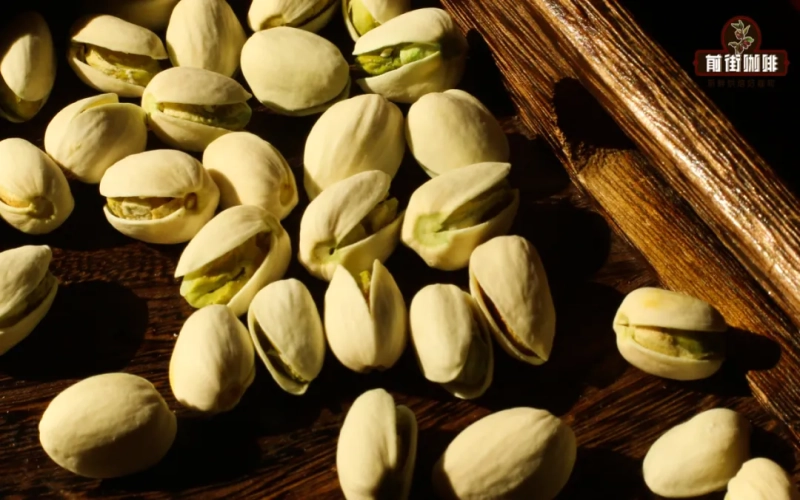
How to Make Pistachio Latte and Pistachio Dirty Coffee? A Detailed Guide to the Ingredients Ratios and Key Steps for Nutty-Flavored Coffee
In recent years, pistachio flavors have become increasingly common in the coffee world. Whether it's a pistachio latte or a pistachio dirty, both have won over plenty of fans with their rich, natural nutty aroma. Most of these drinks use pistachio paste rather than flavored syrup to deliver their flavor, and although specialty cafés charge a premium for them, making them at home is actually quite affordable. This article starts with ingredient preparation, focuses on the techniques for melting pistachio paste, and then provides specific recipes and step-by-step instructions for a hot pistachio latte and a pistachio dirty, including espresso extraction parameters, milk quantities, syrup ratios, and the key details for hot-and-cold layering, helping you recreate café-quality pistachio coffee at home. [more…]
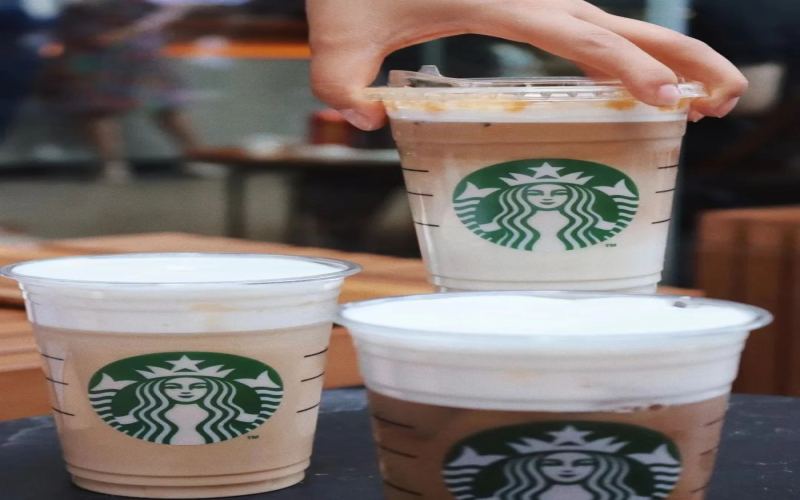
Starbucks Fruit Cold Brew Series Slammed: Green Plum, Bergamot, and Guava Accused of Tasting Like Herbal Medicine, Front Street Coffee Weighs In on the Flavor Innovation Controversy
Starbucks has recently launched three new fruit cold brew products, featuring flavor elements such as bergamot, green plum, and guava, aiming to attract younger consumers with a refreshing taste. However, before the products have even fully hit the market, some netizens and internal partners have already reported that they taste similar to traditional Chinese medicine, sparking widespread discussion. Cold brew coffee, known for its strong adaptability and excellent layering, is seen as a direction for breaking through the limitations of traditional espresso, but this flavor fusion has clearly stirred up considerable controversy. Front Street Coffee continues to follow coffee product innovation and market feedback. This article will sort out the true performance of this new product from the perspectives of consumer reviews, ingredient combinations, and category trends. [more…]
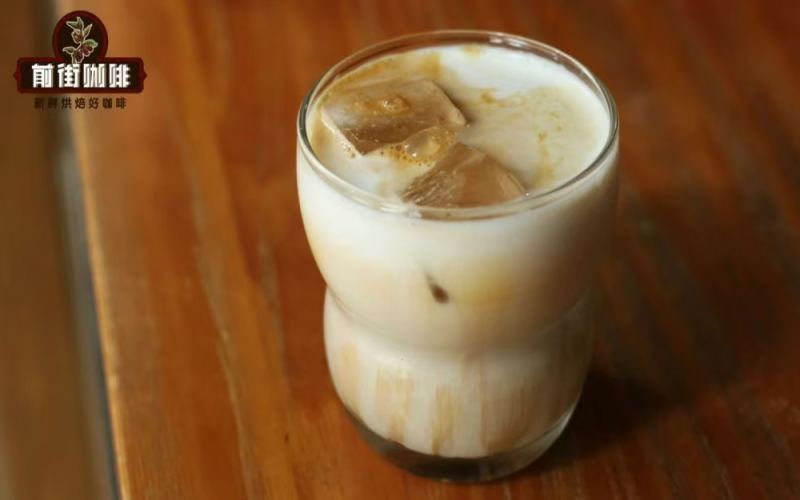
Spanish Latte Recipe | Can You Add Condensed Milk to Black Coffee? What's the Difference Between a Spanish Latte and a Regular Latte? What's the Milk-to-Coffee Ratio in a Spanish Latte?
Today, the menus in coffee shops are rich and diverse, and in order to cater to more people's tastes, adding various dairy products and flavored syrups to coffee is also very common. So have you ever heard of coffee with condensed milk? Adding condensed milk is to mask the strong bitterness in coffee. In Vietnam, the aroma of coffee drifts through the streets and alleys. [more…]
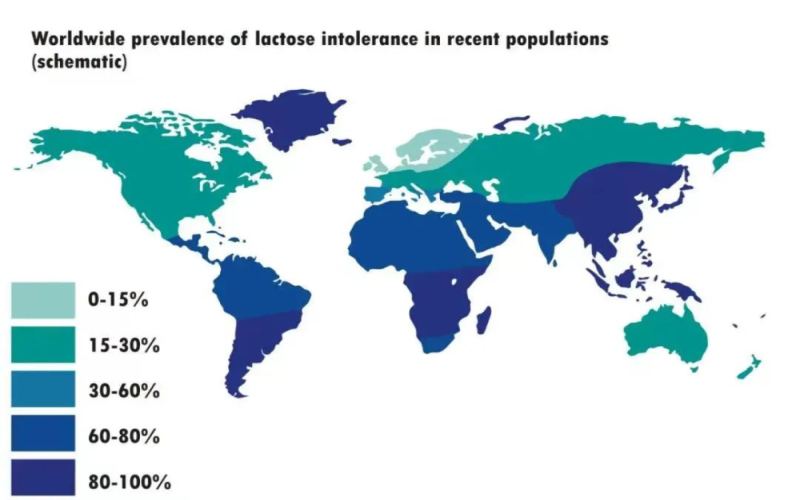
Lactose malabsorption is not the same as lactose intolerance—so why do Chinese people still have such a fondness for milk coffee?
A lactose intolerance data chart produced by a foreign website has led many people to mistakenly believe that 90% of Chinese people cannot drink milk. But medically, lactose intolerance and lactose malabsorption are actually two different concepts. The former refers to symptoms such as abdominal pain, bloating, and diarrhea, while the latter merely indicates that the small intestine's efficiency in absorbing lactose is somewhat low, and does not necessarily cause discomfort. If so many people really felt unwell after drinking milk, how could milk tea and milk coffee be so popular in China? Starting from data sources, physiological mechanisms, and the evolution of the coffee industry, this article discusses why Chinese people favor milk coffee, and where black coffee and milk coffee each stand in the specialty coffee wave. [more…]
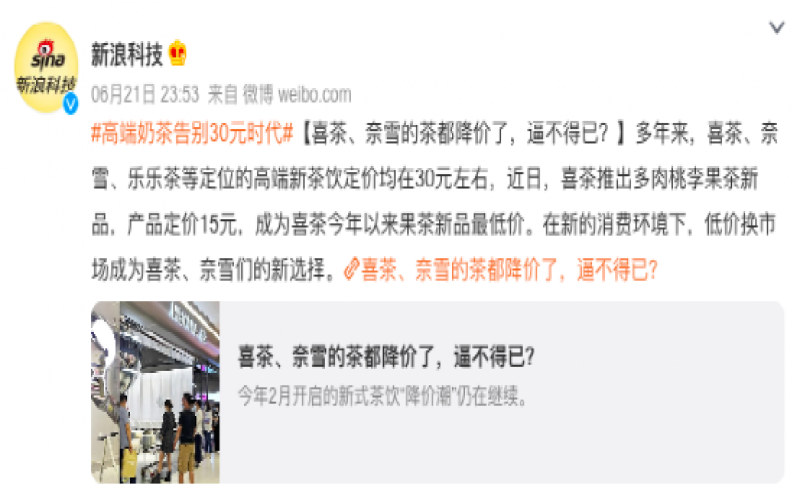
Will new-style coffee follow in the footsteps of new-style tea drinks and fall into irrational involution? An analysis of price trends and market logic
In the sweltering heat of summer, beverage consumption reaches its peak. On street corners and in alleys, young people are holding either tea drinks or coffee. But upon closer observation, one will find that new-style tea drinks and coffee are embarking on entirely different development trajectories: brands like Heytea and Nayuki are cutting prices, while Luckin Coffee and Starbucks are raising them. The coffee sector's popularity is soaring, with giants such as Huawei, Li-Ning, and China Post making cross-industry forays, intensifying competition to a fever pitch. At the same time, new-style coffee is increasingly resembling milk tea, with ingredients like cheese, matcha, and brown sugar crystal boba appearing frequently. This prompts the question: will new-style coffee repeat the mistakes of irrational involution in the new-style tea drink sector? This article will analyze from perspectives such as price changes, market positioning, and product innovation, and bring professional observations from Front Street Coffee. [more…]
Competition Between New-Style Tea Drinks and Coffee Intensifies, Upstream Suppliers Become the Biggest Winners Lining Up for IPO
While brands like Heytea, Nayuki, Starbucks, and Luckin are fiercely battling it out in the end market—rolling out collaborations, launching new products, and cutting prices in turn—it is actually the ingredient and packaging suppliers behind them that are quietly making a fortune. From Jiahe Foods to Sanyuan Biology, from Tianye Co. to Hengxin Life, and on to Dexin Foods, a group of supply chain enterprises for the new-style beverage industry are collectively sprinting toward the capital market. They serve well-known brands such as Uni-President, Xiangpiaopiao, CoCo都可, Mixue Bingcheng, Genki Forest, Nayuki, and Luckin, and have achieved soaring performance through products such as sugar substitutes, juices, paper cups, and syrups. This article will sort through the listing landscape of these low-key suppliers and reveal the real path to riches for upstream enterprises under the wave of new consumption. [more…]
Mandehling SOE Beans | Is Indonesian Mandehling SOE Very Different from Espresso Blends? Recommended Medium-Dark Roast Cocoa-Flavored Specialty Coffee Beans for Espresso Machines
For more specialty coffee knowledge, please follow: Front Street Coffee (Frontsteet Coffee) Have you ever noticed that beginners often find Mandheling very bitter, and espresso also very bitter, so sometimes they even think the two should taste the same, or they may make some comparisons in their minds? [more…]
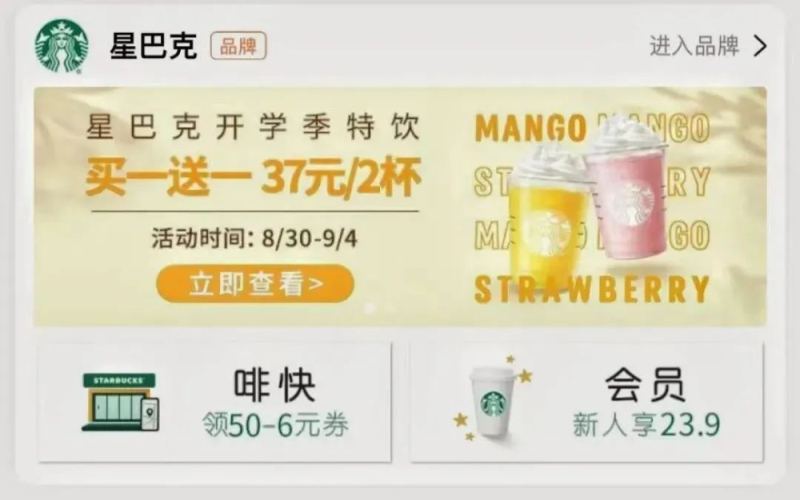
Starbucks Frappuccino launches another limited-edition new item, five ready-to-drink beverages on the same stage draw employee complaints like filling prescriptions
Starbucks Frappuccino has once again launched seasonal limited-edition new products—Mango Double Star Frappuccino and Raspberry Strawberry Frappuccino. Both drinks use a coconut-flavored concentrated base, involving five pre-made fruit beverage ingredients in total, and the production process is relatively cumbersome. Combined with the buy-one-get-one-free promotion on the啡快 mini-program, the new products quickly sparked a tasting frenzy, but also left baristas under the pressure of a flood of orders exclaiming that it was "like filling prescriptions in a pharmacy." This article will take you through the ingredient composition of these two new products, the difficulty of making them, and the real feedback from employees and consumers, while also reviewing Starbucks' pace of new releases so far this year. [more…]